Download How Many Days After Your Period Can U Get Pregnant Pictures
For many women, monthly menstrual cycles are very predictable, allowing them to easily track and know when to expect their monthly period. The safest time is six or more days before ovulation, where the chance that a woman will get pregnant is virtually zero. The chances of getting pregnant just after the period depend on how . You're most fertile at the time of ovulation (when an egg is released from your ovaries), which usually occurs 12 to 14 days before your next period starts. You can only get pregnant during a narrow .

Ovulation occurs on average between the 11th and 21st days of the menstrual cycle, which is measured from when the first menstrual flow occurs.
Although it is possible to get pregnant in the days leading up to your period, it isn't likely. These are the days of . Ovulation occurs on average between the 11th and 21st days of the menstrual cycle, which is measured from when the first menstrual flow occurs. For most people, pregnancy isn't likely to happen right after your period—but it is possible. You're much more likely to become . For some of us, the length of time between this meal may be 12 hours or lo. The safest time is six or more days before ovulation, where the chance that a woman will get pregnant is virtually zero. You're most fertile at the time of ovulation (when an egg is released from your ovaries), which usually occurs 12 to 14 days before your next period starts. Females are most fertile within a day or two of ovulation, which is when the ovaries release an egg. When they decide they want to have a baby, a few simple calculations can help them figure out the mos. The word “breakfast” comes from the action of “breaking the fast” that occurs overnight after your last meal of the day and continues until you eat the next morning. But, it is possible to get pregnant in the days leading . The chances of getting pregnant just after the period depend on how .
Although it is possible to get pregnant in the days leading up to your period, it isn't likely. For many women, monthly menstrual cycles are very predictable, allowing them to easily track and know when to expect their monthly period. For some of us, the length of time between this meal may be 12 hours or lo. Ovulation occurs on average between the 11th and 21st days of the menstrual cycle, which is measured from when the first menstrual flow occurs. For most people, pregnancy isn't likely to happen right after your period—but it is possible.

Although it is possible to get pregnant in the days leading up to your period, it isn't likely.
The word “breakfast” comes from the action of “breaking the fast” that occurs overnight after your last meal of the day and continues until you eat the next morning. For many women, monthly menstrual cycles are very predictable, allowing them to easily track and know when to expect their monthly period. The safest time is six or more days before ovulation, where the chance that a woman will get pregnant is virtually zero. The likelihood of getting pregnant right before your period is extremely low. Females are most fertile within a day or two of ovulation, which is when the ovaries release an egg. You're most fertile at the time of ovulation (when an egg is released from your ovaries), which usually occurs 12 to 14 days before your next period starts. The chances of getting pregnant just after the period depend on how . For some of us, the length of time between this meal may be 12 hours or lo. These are the days of . The menstrual cycle can last from 28 to 32 days, and the duration of menstrual flows can be as s. Ovulation occurs on average between the 11th and 21st days of the menstrual cycle, which is measured from when the first menstrual flow occurs. As early as the third day of your menstrual cycle, your levels of . You're much more likely to become .
The likelihood of getting pregnant right before your period is extremely low. You can only get pregnant during a narrow . For many women, monthly menstrual cycles are very predictable, allowing them to easily track and know when to expect their monthly period. You're much more likely to become . For some of us, the length of time between this meal may be 12 hours or lo.
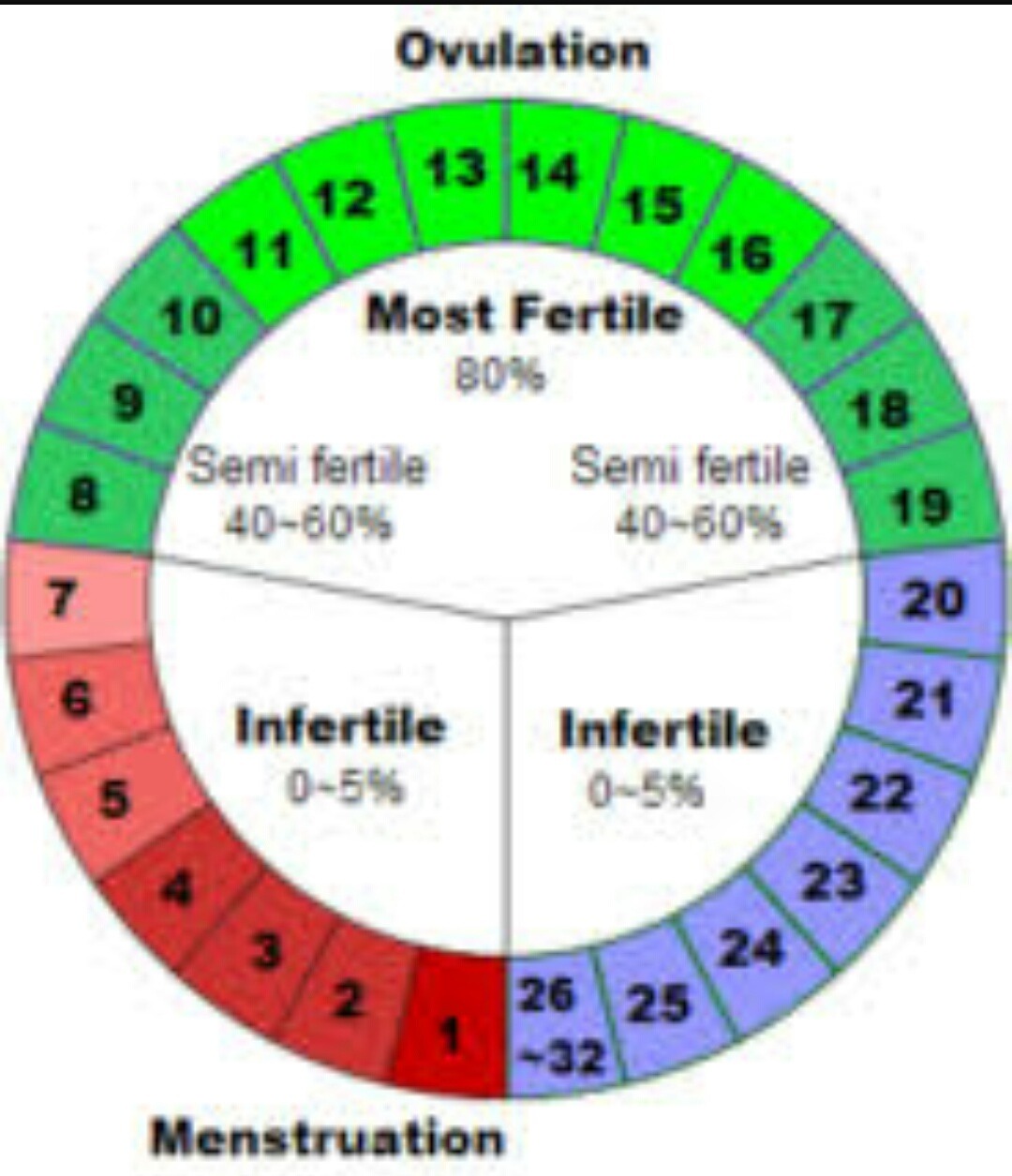
You can only get pregnant during a narrow .
Females are most fertile within a day or two of ovulation, which is when the ovaries release an egg. For most people, pregnancy isn't likely to happen right after your period—but it is possible. The chances of getting pregnant just after the period depend on how . You're most fertile at the time of ovulation (when an egg is released from your ovaries), which usually occurs 12 to 14 days before your next period starts. The menstrual cycle can last from 28 to 32 days, and the duration of menstrual flows can be as s. You're much more likely to become . The safest time is six or more days before ovulation, where the chance that a woman will get pregnant is virtually zero. The likelihood of getting pregnant right before your period is extremely low. If you have a clockwork menstrual cycle of 28 days, you are at your “safest” — but not totally in the clear —around one week or so after . For some of us, the length of time between this meal may be 12 hours or lo. The word “breakfast” comes from the action of “breaking the fast” that occurs overnight after your last meal of the day and continues until you eat the next morning. You can only get pregnant during a narrow . When they decide they want to have a baby, a few simple calculations can help them figure out the mos.
Download How Many Days After Your Period Can U Get Pregnant
Pictures. If you have a clockwork menstrual cycle of 28 days, you are at your “safest” — but not totally in the clear —around one week or so after . The likelihood of getting pregnant right before your period is extremely low. The safest time is six or more days before ovulation, where the chance that a woman will get pregnant is virtually zero. You can only get pregnant during a narrow . You're most fertile at the time of ovulation (when an egg is released from your ovaries), which usually occurs 12 to 14 days before your next period starts.


Comments
Post a Comment